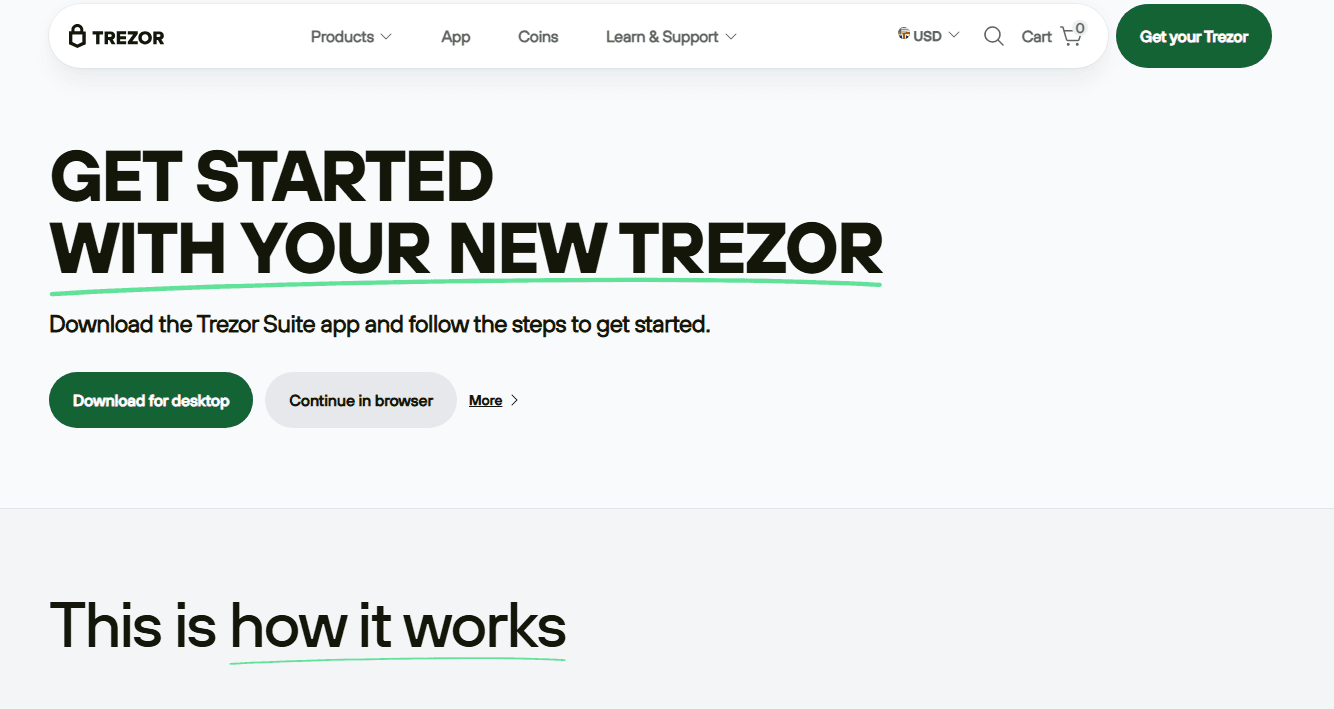
Trezor.io/Start – Full 1200-Word Guide for Setting Up Your Trezor Hardware Wallet
Setting up a hardware wallet for the first time is one of the most important steps in protecting your cryptocurrency. Trezor.io/start is designed to guide new users through every part of the process, from unboxing the device to creating accounts, sending crypto, and applying proper safety practices. Whether you’ve purchased a Trezor Model One or a Trezor Model T, this starting point ensures your device is configured securely and ready to manage your digital assets.
This guide walks you through everything you learn during the Trezor.io/start onboarding process in clear, detailed language.
1. The Purpose of Trezor.io/Start
Trezor.io/start acts as a step-by-step onboarding hub for anyone using a Trezor hardware wallet. Instead of leaving users to guess how to properly configure their device, Trezor provides a guided setup process that includes the following:
Installing the Trezor Suite desktop application
Updating firmware to the latest version
Creating your recovery seed phrase
Setting a secure PIN
Verifying the authenticity of your hardware
Learning the basics of sending and receiving crypto
Understanding essential security practices
The goal is simple: ensure you set up your device in a secure and correct manner from the very beginning.
2. What You Should Check Before Starting
Before you plug in your device or install software, you should inspect the packaging and hardware. Trezor ships its products in tamper-evident packaging so you can detect any signs of interference. Things to check include:
The box should be properly sealed
The holographic seal should not be broken or damaged
No unusual marks, glue, or tears should be visible
The device should appear brand-new and untouched
If the packaging looks normal, you can move forward with confidence.
3. Connecting Your Device for the First Time
Once you’re ready to begin, connect your Trezor hardware wallet to your computer using the cable provided in the box. When plugged in, the device will display welcoming instructions and ask you to continue the setup on your computer.
Unlike some devices, Trezor does not come initialized. This ensures that only the user creates the recovery seed, PIN, and internal wallet. Nothing is preconfigured for you because that would weaken your security.
4. Installing the Trezor Suite Application
Trezor.io/start instructs you to install Trezor Suite, the official program used to interact with your device. Trezor Suite works as the main interface for managing your crypto, reviewing transactions, and organizing your accounts.
Some important features of Trezor Suite include:
A clean, easy-to-use dashboard
Secure connection to the hardware wallet
Support for multiple cryptocurrencies
Real-time transaction previews
Options for simple or advanced modes
Local processing of sensitive data
After installing the app, open it and allow it to recognize your connected Trezor device.
5. Updating Firmware During Setup
Most new Trezor devices require a firmware update or installation before they can be used. Firmware updates provide:
Improved security vulnerability protection
Support for new assets
Interface enhancements
Stability and performance improvements
The update process is automated. Simply follow the instructions in Trezor Suite and allow the device to complete the update without disconnecting it.
6. Generating Your Recovery Seed Phrase
Creating your recovery seed phrase is one of the most important steps highlighted at Trezor.io/start. This phrase is the master backup that allows you to restore your wallet if your device is ever lost, destroyed, or replaced.
During the setup:
The device randomly generates a 12-, 18-, or 24-word recovery phrase
The words appear only on the device screen
You write them down physically on the recovery card
You check the order carefully to avoid mistakes
No one else should ever know these words. They are meant to stay offline forever. You should avoid storing them digitally, taking screenshots, or saving them on cloud services.
If someone gets access to your recovery phrase, they get access to your crypto—no exceptions.
7. Setting Up a Secure PIN
After saving your recovery phrase, you will set up a PIN to protect the device from unauthorized access. This PIN is necessary every time the device is connected, making it a critical layer of protection.
Your PIN should:
Be long and unpredictable
Avoid patterns like “1234” or “0000”
Be something you can remember
Never be shared with anyone
During setup, the Trezor device displays a scrambled keypad arrangement that changes every time, while the computer shows blank spaces. This prevents anyone from spying on your PIN input.
8. Optional: Enabling Passphrase Protection
After completing core setup, you may choose to add an optional passphrase. This creates an additional hidden wallet layer. With a passphrase enabled, your recovery seed alone is not enough—an attacker would also need your secret passphrase.
This option is generally preferred by advanced users who want maximum protection. If you use a passphrase, make sure you remember it exactly. Losing it means losing access to any wallet secured by that phrase.
9. Getting to Know Trezor Suite
Once setup is complete, the Trezor Suite dashboard becomes the center of your crypto activity. It gives you a full overview of your accounts, balances, and transactions.
The main areas of the dashboard include:
Portfolio overview showing total value
Individual cryptocurrency accounts
Transaction history and details
Asset performance charts
Security and device settings
Tools for privacy and customization
Everything is designed to be beginner-friendly while still offering powerful tools for experienced users.
10. Adding Cryptocurrency Accounts
To store crypto on your Trezor wallet, you need to create accounts in Trezor Suite. Each cryptocurrency requires its own account structure.
Examples:
A Bitcoin account
An Ethereum account
A Litecoin account
Accounts for stablecoins or tokens on supported networks
Creating accounts helps you organize your funds and makes it easier to track balances.
11. Receiving Crypto to Your Trezor Wallet
When you want to receive cryptocurrency, Trezor Suite walks you through a verification process that ensures maximum safety. The steps include:
Select the currency and account you want to receive funds into.
Generate a receiving address.
Check the address on the Trezor device screen.
Confirm that the address on the device matches the one shown in Trezor Suite.
This check is extremely important. Even if malware tries to change the address on your computer, the device itself remains trustworthy. Always trust the address displayed on your Trezor screen.
12. Sending Cryptocurrency Securely
Sending crypto using Trezor is also designed to be safe and transparent. When you choose to send funds:
Enter the recipient address
Select the amount
Adjust transaction fees if needed
Review all details on your computer
Confirm the transaction physically on your Trezor device
The hardware wallet ensures that no outgoing transaction can be processed without your manual approval, providing protection against unauthorized actions.
13. Important Safety Habits Taught at Trezor.io/Start
The setup process emphasizes several key security practices every cryptocurrency holder should follow:
Never reveal your recovery seed phrase
Keep it stored in a secure offline location
Avoid storing sensitive information on the internet
Use a strong PIN and keep your device safe
Be cautious with unfamiliar software or browser extensions
Keep your computer free from malware
Stay alert to phishing attempts
Following these habits significantly increases your long-term security.
14. Advanced Features You Can Explore Later
Trezor Suite includes many advanced tools that go beyond basic crypto management:
Coin control features
Setting custom transaction fees
Hidden wallets using passphrases
Labeling tools for transaction organization
Privacy-enhancing modes
Support for multiple devices
Hardware-level signing for added safety
These options give you the flexibility to tailor your wallet experience to your needs.
15. Final Thoughts
Trezor.io/start is more than just a setup page—it is an onboarding experience designed to help you understand how to secure your cryptocurrency with a hardware wallet. By following the steps carefully, you create a strong security foundation built on offline key storage, trusted firmware, and encrypted device access.
Once your device is initialized, your accounts are created, and your recovery seed is safely stored, you have full, independent control of your digital assets. You no longer rely on centralized exchanges to protect your funds, and you reduce exposure to online risks.