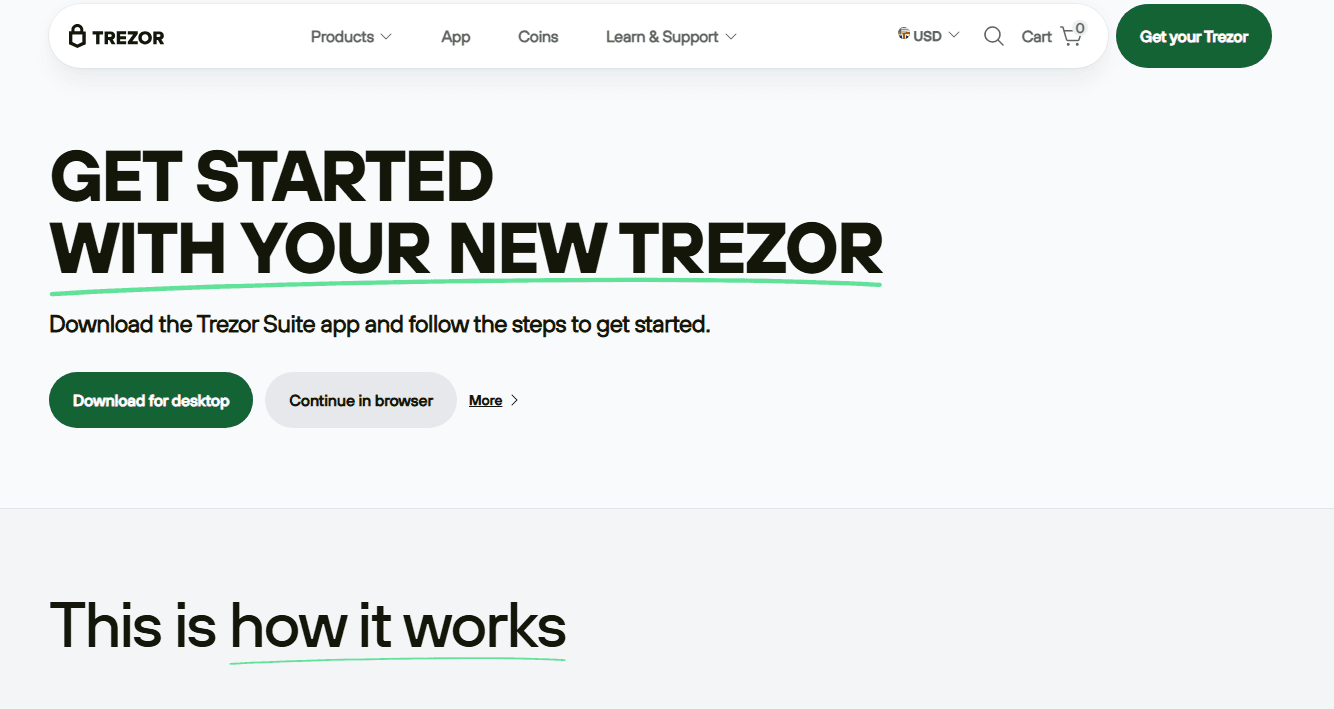
Trezor.io/Start — Complete 1200-Word Guide (No Links)
Setting up a Trezor hardware wallet begins with the process traditionally described through the onboarding page known as “trezor.io/start.” This setup flow is essential for transforming your new Trezor device into a secure vault for your cryptocurrencies. Whether you are using a Trezor Model T or Trezor Model One, the process is built around the same principles: safety, simplicity, and full personal control of your digital assets. This guide walks you through the entire setup journey from unboxing your device to securing your crypto, all explained clearly and without any external links.
Understanding What Trezor.io/Start Means
The phrase “trezor.io/start” refers to the official setup path for new Trezor users. It guides individuals through installing the Trezor Suite application, updating firmware, creating a new wallet, and safeguarding the recovery seed. This process ensures your hardware wallet is genuine, secure, and ready for use. Although it sounds like a website address, its real purpose is to lead you toward the beginning of your device configuration.
Trezor uses a self-custody model, meaning you—not the company—are the sole controller of your private keys. Because of this, the setup process must be handled carefully. Once finished, your Trezor becomes a dependable tool for long-term crypto storage.
What You Need Before Starting the Setup
Before you begin, gather the essentials:
Your Trezor hardware wallet (Model One or Model T)
A computer with USB access
The original USB cable provided in the box
A secure, quiet environment where you can note down sensitive information
A pen and the recovery seed cards from the packaging
You do not need your personal ID, an online account, or any login details. Everything is handled locally through the Trezor device and software.
Unboxing Your Trezor Device Safely
When unboxing your Trezor hardware wallet, inspect the device and packaging thoroughly. Trezor places tamper-evident features on their products, helping you ensure your device has not been manipulated or modified.
Check that:
The box is sealed properly
The hologram or protective seal is intact
The device casing shows no signs of physical damage
The packaging includes the recovery seed cards
These steps are important because a compromised device could put your funds at risk.
Connecting Your Trezor to Begin Setup
Once you are ready, plug your Trezor device into your computer using the included USB cable. When the device powers on, it will display a welcome message and guide you through the initial instructions. At this point, the hardware wallet is not yet set up; it is simply preparing for configuration.
The next step is to install the Trezor Suite application. This is the software interface that allows you to control your Trezor wallet, manage accounts, and authorize transactions.
Installing and Opening Trezor Suite
Trezor Suite is the official desktop application designed to work with your hardware wallet. It provides a secure environment for handling cryptocurrency transactions and wallet management. After installation, open the application on your computer. It will immediately detect your connected Trezor and guide you through the next steps.
Inside the app, you will see prompts for firmware updates, device initialization, and wallet creation. All actions must be confirmed directly on your Trezor device, ensuring security.
Updating Your Trezor Firmware
When setting up a brand-new Trezor, it is normal for the firmware to be missing or outdated. Firmware is the internal software that runs your hardware wallet. Updating it ensures that your device:
Has the latest security features
Functions properly with Trezor Suite
Receives ongoing improvements
During the firmware update, your Trezor will temporarily disconnect and restart. You may be asked to confirm the update on the device screen. Follow all prompts carefully and never disconnect the cable during this process.
Importantly, firmware updates never require your recovery seed. If anything asks for it, stop immediately, as it could be unsafe.
Creating a New Wallet on Your Trezor
After the firmware is up to date, Trezor Suite will present an option to create a new wallet. Select this option. This begins one of the most important steps in the entire setup: generating your recovery seed.
The recovery seed is a sequence of words created by your Trezor device. It is the only backup of your wallet and can restore your crypto if your device is lost, destroyed, or replaced. Trezor never stores this seed online.
Writing Down Your Recovery Seed
The Trezor device will display a list of words—24 for most models, 12 for some configurations. These words must be written down in the exact order shown. Use the recovery seed cards included in the box or your own paper stored securely.
Important rules:
Never take photos of your recovery words
Never type them into a computer or phone
Never share them with anyone
Never store them in digital form
Write them clearly and double-check spelling
Once the words are written down, the device will ask you to confirm them by selecting them in the correct order. This ensures your backup is correct.
Setting Up a PIN for Device Security
After completing your recovery seed backup, the Trezor will guide you through setting up a personal PIN. This PIN is required every time you plug your Trezor into a computer. It protects your wallet from unauthorized physical access.
Choose a PIN that is:
Difficult to guess
Not based on birthdays or simple patterns
Easy for you to remember
Written down in a secure place if needed
If someone tries incorrect PIN attempts repeatedly, the device will wipe itself, protecting your assets.
Entering Trezor Suite Dashboard
With your Trezor initialized and PIN set, Trezor Suite will bring you to its main dashboard. Here, you gain access to a range of features, including:
Viewing your portfolio
Adding cryptocurrency accounts
Receiving and sending assets
Checking transaction history
Managing security settings
Connecting with compatible networks and tokens
All sensitive actions require confirmation on the hardware device, making unauthorized transfers nearly impossible.
Adding Cryptocurrency Accounts
Before using your Trezor to store crypto, you must add accounts for each supported currency. For example, if you want to store Bitcoin, you need to create a Bitcoin account. If you want to store Ethereum or other networks, you add those accordingly.
When adding an account:
Trezor Suite generates the addresses
You confirm the account creation on your Trezor device
The account appears in the dashboard
Each account provides a secure address for receiving cryptocurrency.
Receiving Crypto Safely on Trezor
To receive crypto, select the account and choose the “receive” option inside Trezor Suite. The app will show you a receiving address. Always verify this address on your Trezor device screen. The device display is the only trusted source because malware on a computer could alter what you see on your monitor.
Once verified, share the address with the sender or use it to move crypto from an exchange or another wallet you own.
Sending Crypto with Trezor
When sending cryptocurrency:
Enter the recipient’s address in Trezor Suite
Set the amount and fees
Review the transaction summary
Confirm the transaction on your Trezor device screen
Nothing sends until you approve it physically. This protects you from phishing attempts, unauthorized transactions, or malicious software.
Keeping Your Trezor Wallet Secure
Follow these safety tips:
Store your recovery seed in a secure location
Never enter your recovery seed into websites or software
Keep your device PIN private
Use Trezor Suite only from official sources
Avoid public or shared computers
Update firmware when prompted
Disconnect your device when not in use
Security is strongest when you consistently practice safe habits.
Conclusion
The trezor.io/start setup process is your entry point into creating a secure, self-custodial cryptocurrency wallet. From firmware updates to recovery seed creation and PIN setup, each step is designed to prioritize safety and ensure you have complete control over your digital assets. Once configured, your Trezor becomes a powerful and reliable tool for managing, storing, and safeguarding crypto for the long term.